For
Adults (18+)
Suitability is confirmed during consultation, including a review of medications, bleeding risk, and skin health.
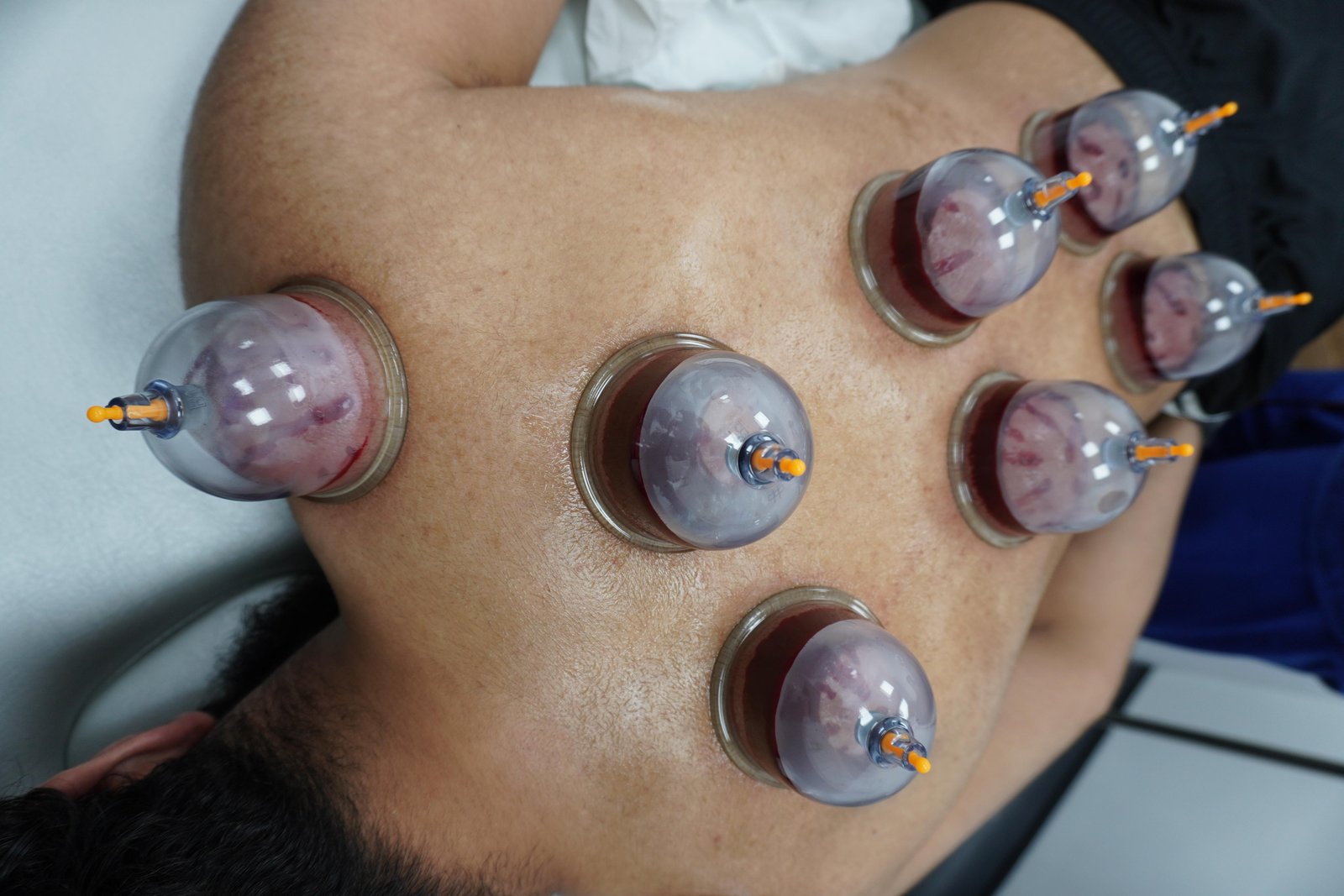
Doctor-led wet cupping (hijama) and dry cupping in a clinical setting, with personalised planning, sterile technique, and clear aftercare.
Our hijama and cupping service is delivered by trained clinicians in a clean private setting on Lea Bridge Road. We use single-use or appropriately sterilised equipment, careful technique, and a measured, evidence-aware approach, taking time to understand whether dry cupping, wet cupping (hijama), or another option is suitable for you.
Our hijama and cupping therapy service offers doctor-led wet cupping (hijama) and dry cupping in a clean clinical setting. We focus on clear assessment, careful technique, and personalised treatment planning for patients seeking supportive care for muscle tension, pain, and general wellbeing.
We use careful language about outcomes. Evidence for cupping varies by condition, and we'll discuss what is reasonable to expect, and what isn't, before any session.
We review your medications, bleeding risk, and skin health at consultation. Some patients may need a medical review first.
For
Suitability is confirmed during consultation, including a review of medications, bleeding risk, and skin health.
For
Package options for patients incorporating cupping into a regular wellbeing routine.
For
Prophetic-tradition sessions covering the classical points, for wellbeing and maintenance.
Prices below are based on the current hijama and cupping menu shown in clinic materials. Final treatment planning is confirmed during consultation.
From £35
Final treatment planning is confirmed during consultation, including the number of cups, treatment area, and session length.
| Session | Detail | Price |
|---|---|---|
| Single Area Dry Cupping | Choose one area such as back, shoulders, legs, arms, or neck. | £35 |
| Dual Area Dry Cupping | Choose any two treatment areas. | £50 |
| Full Body Dry Cupping | Head-to-toe relaxation session using dry cupping techniques. | £65 |
| Session | Detail | Price |
|---|---|---|
| Sunnah Hijama | Prophetic points (3-5 points) for wellbeing and maintenance. | £45 |
| Targeted Relief Hijama | Choose one area such as back, shoulders, legs, or arms. | £50 |
| Dual Area Hijama | Choose any two areas. | £70 |
| Full Body Hijama Best value | Back, shoulders, arms, legs, and neck (approximately 8-20 points). | £85 |
| Bespoke Session +£20 for every extra 15 minutes | Approximately 75 minutes with a personalised treatment plan for more complex needs. | £99 |
| Session | Detail | Price |
|---|---|---|
| 3x Full Body Dry Cupping | Best for maintenance. | £180 |
| 3x Full Body Hijama | Best for regular hijama maintenance. | £240 |
Every visit includes
All prices include consultation, the procedure or treatment, and aftercare guidance. Bespoke plans are confirmed in clinic.
Book a consultationWe discuss your symptoms, medical history, medications, skin health, and treatment goals. We explain the difference between dry cupping and wet cupping (hijama) and confirm whether treatment is appropriate for you.
The treatment area is cleaned and marked as needed. For wet cupping, controlled superficial skin incisions are only performed after clinical review and consent. Single-use or appropriately sterilised equipment is used throughout.
Dry cupping uses suction only. Wet cupping combines suction with small superficial incisions to draw a limited amount of blood. Session length and number of cups depend on the treatment plan discussed with you.
You receive practical aftercare advice covering hydration, activity, dressing care, and when to seek medical advice. Temporary marks, mild soreness, or light fatigue can happen after treatment.
Dry cupping uses suction only. Wet cupping, also known as hijama, combines suction with small superficial skin incisions so that a limited amount of blood is drawn into the cup. We explain both options during consultation and discuss which approach, if any, is suitable for you.
People often seek cupping therapy for muscle tension, aches, stiffness, and general wellbeing. Some research suggests cupping may help certain pain conditions, but the overall evidence base remains mixed and treatment should not replace standard medical care when that is needed.
When performed carefully in a clean clinical setting with appropriate hygiene, cupping is generally considered low risk, but it can still cause temporary marks, soreness, skin irritation, bleeding, infection, scarring, or light-headedness. We review risks and suitability before treatment.
You should tell us if you are pregnant, have anaemia, a bleeding or clotting disorder, a history of fainting with needles, active skin disease, or take blood-thinning medication. These factors may affect whether treatment is suitable or whether another approach is safer.
It is common to have circular marks, mild soreness, or tiredness afterwards. With wet cupping, you may also have small dressings and need simple wound-care advice. We explain aftercare clearly before you leave.
We review your goals, medications, and skin health before recommending whether cupping is appropriate, and which type fits.